


Under-Eye Bags and Hollowness: How Are They Corrected Surgically?
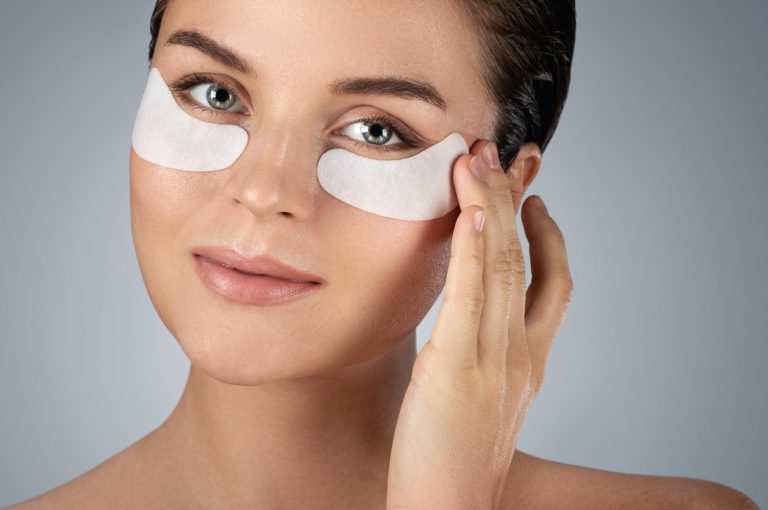
The under-eye area is one of the regions that shows signs of fatigue and aging the earliest. Genetic structure, aging, sleep patterns, stress, and changes in skin structure can lead to puffiness and a hollow appearance under the eyes. In some patients, there is only volume loss, while in others, prominent bags appear due to the forward herniation of fat pads. This condition can make the facial expression look more tired, unhappy, and older than it actually is.
Surgical approaches aim both to correct excess fat protrusion in the under-eye area and to soften the hollow appearance, achieving a younger, brighter, and more rested eye contour. Under-eye bags and hollowness can be effectively treated in a single procedure using the appropriate surgical technique.
Basic Approach in Under-Eye Surgery
Today, the goal is not only to remove the bags but to reshape the under-eye contour with a natural transition. Because simply removing fat can make the under-eye area appear more hollow and harsh than it actually is. The modern approach involves the controlled repositioning of fat and supporting the tissues in accordance with their natural anatomy.
The surgical procedure is usually performed using the transconjunctival blepharoplasty technique. In this technique, the incision is made from the inner side of the eyelid; there is no external scar. Instead of removing the fat pads, they are rearranged to support the under-eye hollow. In this way, the sharp transition between the under-eye bag and the cheek line is softened, and the skin appears younger.
In some patients, if needed, micro skin excision or laser/CO2 support may be applied to tighten excess skin or support skin quality; however, in most cases, the internal incision method alone is sufficient.
Who Is It Suitable For?
This surgery;
- Those with prominent under-eye bags
- Those who experience permanent swelling that does not change between morning and evening
- Those with noticeable under-eye shadowing and a hollow appearance
- Those who complain of a tired facial appearance
- Those who do not want temporary results with fillers
is suitable for patients.
It can be applied to a wide patient group, from young patients with genetic bags to older age groups experiencing age-related tissue laxity.
Surgical Process and Recovery
The procedure is usually performed under local anesthesia with sedation support. Its duration is approximately 45–90 minutes. At the end of the procedure, stitches may not be required because the incision is made on the inner side of the eyelid.
Recovery process:
- Mild swelling and bruising may occur within the first 48 hours
- Cold compress and sleeping with the head elevated are recommended
- Return to daily life in 5–7 days
- Final results become noticeable within a few weeks as the swelling subsides
With proper planning and technique, the result provides a natural, fresh appearance with no visible surgical scars.
Non-surgical procedures are for minor corrections.
Surgical rhinoplasty is ideal for structural changes and function.
Advantages of the Surgical Approach
- Permanent and natural results
- Preservation and repositioning of fat pads
- Softening of the under-eye hollow
- No external incision scar (internal approach)
- A healthy and rested appearance instead of a tired expression
Unlike temporary applications such as fillers, this method offers the longest-lasting and anatomical solution possible.
Under-eye bags and hollowness are not only an aesthetic detail but also an important structural problem that directly affects facial expression. Correct surgical application provides a youthful and rested appearance around the eyes; hardness, fatigue, and shadowing in the facial expression are eliminated.
Since this area is the focal point of the face, the procedure should be performed by strengthening tissue support, using microsurgical principles that preserve naturalness. Thanks to modern surgical techniques, scarless, balanced, and long-lasting results in under-eye aesthetics are possible.


