Fox Eyes (Almond Eyes): Surgical Approach and Techniques for a Natural Appearance
In recent years, one of the most talked-about aesthetic trends is fox eyes — also known as almond eye aesthetics — which make the eye shape appear more slanted, dynamic, and youthful. However, this trend is not a procedure that can be performed based solely on fashion influence. Personalized planning should be carried out by considering factors such as eye anatomy, support of the forehead and temple region, eyebrow position, and skin elasticity. The goal is not an artificial, overly stretched look, but a natural and elegant gaze.
With almond eye surgery, the outer corners of the eyes are slightly elevated, the line between the lower and upper eyelids is softened, and the gaze becomes more youthful, lively, and dynamic. This procedure is not only about changing the eye shape, but is also considered an expression rejuvenation.
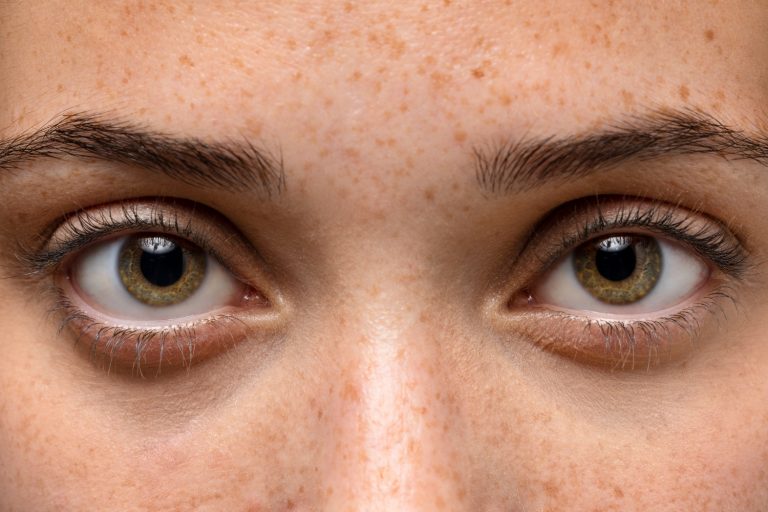
How Is Fox Eyes Aesthetics Performed?
The modern approach to fox eyes surgery is based on restoring anatomical ligaments and increasing temple support rather than excessively pulling the tissues.
The most commonly preferred method in practice is:
- Endoscopic temple (temporal) lifting
In this technique, the structures supporting the outer corner of the eye are repositioned upward through small hidden incisions, and the outer part of the eyebrow is slightly elevated. In this way, the eye area appears more open and the expression looks more rested.
In some patients, if there is also eyelid laxity or fat pads, it is combined with lower–upper eyelid surgery (blepharoplasty).
The basic principle: While the eye shape changes, the natural expression should be preserved.
Why Is Planning Important for a Natural Appearance?
When the fox eyes procedure is not properly planned, it may lead to problems such as:
- Artificial, overly slanted appearance
- Asymmetrical gaze
- Tense and expressionless look
- Eyelid laxity in the long term
For this reason, facial proportions, bone structure, and the eyebrow–eye relationship must be carefully evaluated.
In the surgical approach, the goal is to create a subtle and refined elevation at the outer corner of the eye — the inner corner of the eye is not touched, which ensures that the gaze remains natural.
Who Is It Suitable For?
When the fox eyes procedure is not properly planned:
- Artificial, overly slanted appearance
- Asymmetrical gaze
- Tense and expressionless look
- Eyelid laxity in the long term
may occur. Therefore, facial proportions, bone structure, and the eyebrow–eye relationship should be carefully evaluated.
In the surgical approach, the goal is to create a slight and refined elevation at the outer corner of the eye — the inner corner of the eye is not touched, which ensures that the gaze remains natural.
Recovery Process
Thanks to the endoscopic method, the recovery process is more comfortable:
- Mild edema and a feeling of tightness in the first few days
- Return to social life within 1 week
- Tissues take on their natural form within 2–6 weeks
- A permanent, natural effect as the results become more apparent
Since the scars are hidden within the hair-bearing scalp, they are not visible. The results are long-lasting.
Conclusion
Fox eyes / almond eye aesthetics is not just a trend; when applied correctly, it is a refined surgical technique that provides permanent expression rejuvenation. The goal is not to pull the eyes in an artificial way, but to create a more balanced, more open, and more dynamic gaze.
Surgery performed while preserving natural proportions makes the face younger and more attractive without changing its character. This procedure yields the most successful results with expert planning and microsurgical application.