How to Solve Respiratory Problems with Septoplasty?
Respiratory problems are among the important health problems that negatively affect the quality of life and cause difficulties in daily life. Conditions such as nasal congestion, frequent respiratory tract infections, snoring and sleep apnoea are usually caused by curvature or deformations of the nasal septum. This condition is called ‘septum deviation’ and makes breathing difficult for people. Septoplasty is a surgical method to solve this problem and provides correction of the nasal septum. In this article, it will be discussed how septoplasty operation eliminates breathing problems and improves the quality of life of individuals.
What is Septoplasty?
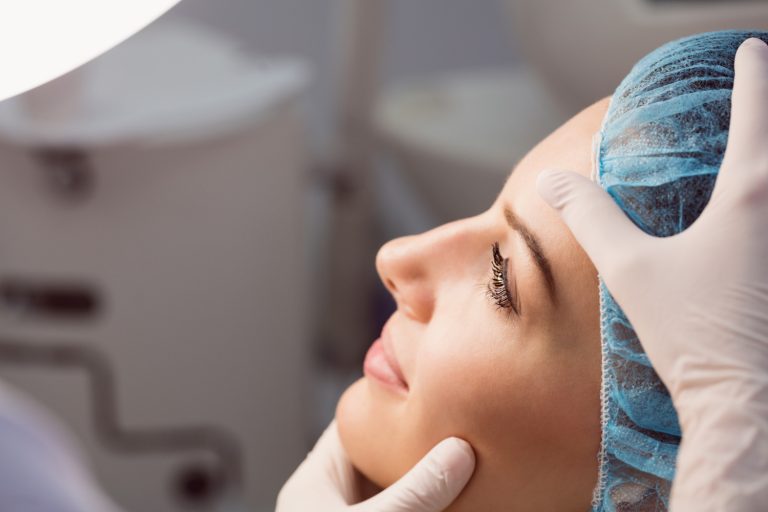
Septoplasty is a surgical procedure performed to flatten the structure called septum in the nose. The septum is a structure consisting of cartilage and bone separating the nostrils. This structure can sometimes be curved congenitally or due to trauma, which can lead to breathing difficulties. Septoplasty aims to correct the curved septum to improve airflow and relieve nasal congestion. This procedure, which is usually performed under local or general anaesthesia, does not have an aesthetic purpose, it is more of a functional intervention.
How is Septoplasty Performed?
Septoplasty is a surgical procedure performed to correct the cartilage and bone structure called septum in the nose. This procedure is usually performed due to curvatures or structural disorders that cause nasal congestion. During septoplasty, the doctor makes an incision through the nose and creates a smooth structure by correcting the curvatures in the septum or removing excess tissue. The procedure is usually performed under local or general anaesthesia and there is usually no scarring on the outside of the nose. Post-operative recovery may take several weeks, but most patients experience relief within a short period of time.
How to Solve Respiratory Problems with Septoplasty?
Septoplasty is a surgical procedure performed to correct the curvature of the nasal septum. The nasal septum is the structure separating the two halves of the nose and its curvature can lead to nasal congestion and breathing problems. Septoplasty corrects this curvature, improves airflow and helps to provide comfortable breathing through the nose. The surgery is usually performed under general anaesthesia and although the healing process varies from person to person, permanent results are achieved when performed correctly. This procedure also alleviates problems such as headaches, insomnia and snoring caused by nasal congestion.
Which respiratory problems can be treated with septoplasty?
Septoplasty is a surgical procedure to correct curvature or deformities of the nasal septum. By opening the airway inside the nose, this operation can help treat various respiratory problems. Respiratory problems that can be treated with septoplasty include:
- Nasal congestion: Curvature of the nasal septum can cause frequent congestion by blocking air passage. Septoplasty can remove these blockages by opening the airway.
- Wheezing: A curved septum can cause wheezing by disrupting airflow. These sounds can be prevented by surgical intervention.
- Sleep Apnoea: Curvature of the septum can cause sleep apnoea by making airflow difficult during sleep. Septoplasty can relieve apnoea symptoms by correcting the airway.
- Sinusitis: Obstructions in the nasal passages can prevent the sinuses from draining properly and lead to chronic sinusitis. Septoplasty can reduce sinusitis attacks by allowing the sinuses to drain more easily.
- Headaches: Nasal congestion and sinus problems can cause headaches. Septoplasty can relieve these pains by opening the airway.
Which treatment methods are used in breathing with septoplasty?
Septoplasty is a surgical intervention to correct curvatures in the nasal septum and is usually aimed at improving breathing problems. During this procedure, the curvatures in the nose are corrected to keep the airway open. Intranasal surgical techniques are usually used to treat breathing problems with septoplasty. These may include procedures such as straightening the septum, reducing or reshaping the nasal flesh. In some cases, laser treatment or endoscopic methods used inside the nose may also be preferred. These treatment methods provide relief of the patient’s breathing and increase the overall quality of life.
What are the complications that may occur after breathing with septoplasty?
Complications that may occur after a septoplasty breathing procedure include infection, bleeding, nasal congestion, nasal shape changes and pain. Infection can occur when a bacterial infection develops at the surgical site. Although bleeding is common, especially in the first few days, it is usually temporary. Nasal congestion may persist as a result of swelling and mucus build-up during the healing process. Changes in the shape of the nose may occur as a result of aesthetic changes, usually as a result of the surgical procedure. In addition, in rare cases, sinus infections or anaesthesia-related complications may occur.
What Should Be Considered After Breathing with Septoplasty?
There are several important points to be considered during the breathing process after septoplasty. Some simple rules must be followed in order for the healing process to proceed properly after the procedure.
- Nose Cleaning: It is important to clean the bleeding and mucus deposits in the nose after the operation. However, in order to prevent traumas that may occur in the nose, the nose should be cleaned without intervention.
- Pain Control: There may be mild pain after septoplasty. Painkillers prescribed by the doctor should be used regularly, and in case of excessive pain, the doctor should be contacted.
- Head Elevation: Keeping the head elevated while lying down helps reduce swelling. In addition to the pillow, an extra pillow can be used to keep the head higher.
- Smoking and Alcohol Use: Smoking and alcohol consumption during the healing process can negatively affect the healing process. Therefore, smoking should be avoided and alcohol intake should be avoided.
- Physical Activity: Heavy physical activities should be avoided in the first weeks. Especially activities that may cause pressure on the nose should be avoided.
- Cold Compress: Cold compress can be applied to reduce swelling and bruising. However, direct pressure should not be applied to the nose area.
- Nutrition: A balanced and healthy diet should be followed during the healing process. In addition, excessively salty and acidic foods should be avoided.
What is the healing process after septoplasty?
The recovery process after a breathing procedure with septoplasty can usually take several weeks. In the first few days after the operation, nasal congestion and slight swelling may occur, this is normal. If the patient has tampons or stents in the nose, these will be removed within a few days. During the healing process, as the healing in the nose continues, the improvement in breathing also accelerates. It may take a few weeks for swelling and bruising to disappear, but this process may vary according to personal factors. It is important to follow the doctor’s care instructions in the postoperative period; it is generally recommended to avoid heavy physical activity and to be careful about cleaning the nose. Full recovery may take several months, but most patients can return to normal after one week.
Frequently Asked Questions About Breathing with Septoplasty
Are Breathing Problems Solved Immediately After Septoplasty?
Whether breathing problems are immediately resolved after septoplasty depends on the patient’s recovery and the success of the surgery.
Is There Pain After Breathing Procedure with Septoplasty?
After the breathing procedure with septoplasty, a slight pain may be felt. This pain usually occurs due to the healing process in the area where the operation was performed.
Is there a risk of breathing with septoplasty?
Septoplasty is a surgical intervention to correct deformities in the nasal septum and is usually performed on patients with respiratory problems. Although this procedure is generally considered safe, it carries some risks like any surgical intervention.