Inverted Nipples: Causes and Treatment Methods
When breast aesthetics are mentioned, most people think of volume, shape, and symmetry; however, nipple structure is also one of the most important elements of breast aesthetics. An inverted nipple is a condition that affects aesthetic appearance and may cause functional problems in some cases. It is more common than generally thought in society and can be either unilateral or bilateral. While it creates only a visual concern in some women, in others it may lead to breastfeeding difficulties or hygiene problems.
Modern aesthetic surgery can successfully correct inverted nipples both functionally and aesthetically. This procedure requires detailed planning that includes careful evaluation of nipple anatomy, selection of the appropriate technique, and the goal of achieving natural results.
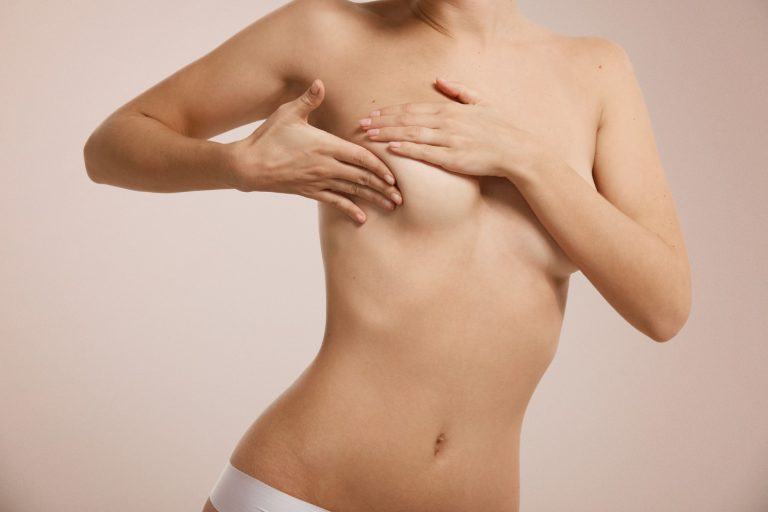
So why do inverted nipples occur? When is treatment necessary? Which methods are used? Let’s examine all the details.
What Is an Inverted Nipple?
The most common causes of inverted nipples are as follows:
Congenital Structural Difference
In many patients, the condition is congenital. It may occur as a result of the milk ducts around the nipple being short or the connective tissue pulling the nipple inward. In this group of patients, the condition is generally not progressive.
Changes After Breastfeeding and Pregnancy
In some women, pulling applied to the breast during the breastfeeding period, trauma, or changes in the milk ducts may trigger inversion.
Age-Related Tissue Laxity
As a result of the loss of elasticity in the skin and connective tissue, the nipple structure may turn inward.
Infection and Inflammation
Although rare, past infections in the breast tissue may lead to shortening of the milk ducts or fibrotic changes.
Surgical History
Tissue changes may occur after previous surgical procedures performed on the breast.
Important Note:
A newly developed and rapidly progressing inverted nipple, especially if unilateral, may be a sign of breast cancer and therefore обязательно requires examination by a specialist.
Symptoms
The accompanying symptoms may not be the same in every patient aside from aesthetic appearance. However, the following conditions may be observed:
- Pronounced inward retraction of the nipple
- Difficulty or pain during breastfeeding
- Hygiene difficulties around the nipple
- In some cases, irritation, discharge, or unpleasant odor
These symptoms should definitely be evaluated.
Treatment Methods
The treatment plan is shaped according to the degree of inversion and the underlying structural factors. In modern aesthetic surgery, both surgical and non-surgical options are available.
1. Non-Surgical Approaches
In milder cases (Grade 1), special nipple exercises, aspiration devices, and massage methods may provide temporary or partial improvement in some patients. However, in advanced cases, these methods are generally not sufficient.
2. Surgical Treatment
For permanent and natural results, the most effective method is surgery. The procedure can be performed under local or general anesthesia. In surgical treatment:
- The connective tissues pulling the nipple inward are released
- The milk ducts are preserved as much as possible
- Supportive tissues are created to ensure the nipple remains stably projected outward
With the correct technique, natural projection is achieved while preserving the delicate structure of the nipple.
Preservation of milk ducts:
In patients planning fertility, techniques that preserve the milk ducts are preferred.
In more advanced degrees of inversion, aesthetic expectations may take priority over function.
Recovery Process
- Mild swelling and tenderness usually occur after the procedure
- Patients can return to their daily lives on the same day
- Recovery becomes noticeable within 1–2 weeks
- Special dressings and support materials may be used to prevent the nipple from turning inward again
A natural appearance is achieved quickly, and the results are long-lasting.
Conclusion
An inverted nipple is a condition that can cause discomfort both aesthetically and functionally, but can be safely corrected with modern surgical methods. With correct planning, the right technique, and a personalized approach, both a natural appearance and functional gains can be achieved. After the procedure, the shape, projection, and aesthetic balance of the breasts improve significantly; this increases the individual’s self-confidence and quality of life.