Swelling and Healing Process After Rhinoplasty
Swelling (edema) and bruising after rhinoplasty are normal processes for most people and may vary from person to person. Swelling is usually more noticeable during the first few days and gradually decreases over time. Being cautious during this period can help control the swelling and reduce postoperative discomfort. Resting, keeping the head elevated, engaging in light activities, and following proper care methods can make the recovery process more comfortable. In addition, monitoring the progress and taking quick action in case of any issues are important for a smooth healing process.
What Should Be Considered During the Healing Process?
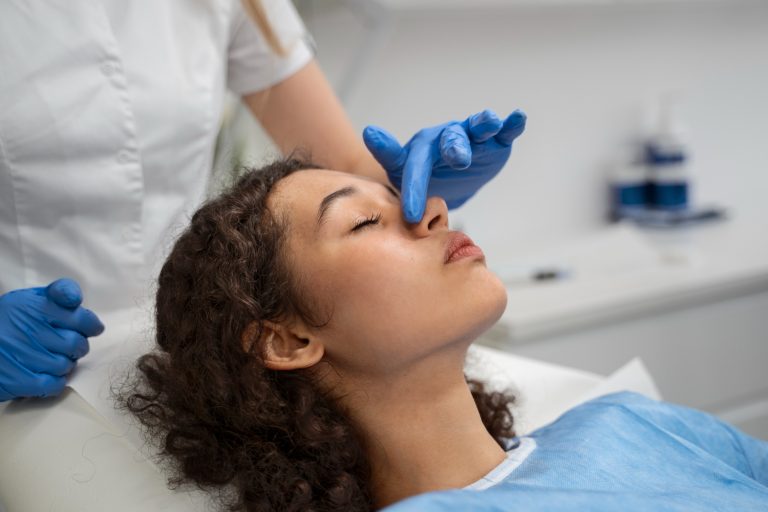
In the first few days after surgery, resting with your head elevated at a 30–45° angle can help reduce swelling. Avoid lying face down or on your side, refrain from blowing your nose, and open your mouth when sneezing to help control swelling. It is important not to remove or wet the splint, tape, or nasal packing without your doctor’s supervision.
You may use painkillers or prescribed medications as directed by your doctor. Avoiding smoking and alcohol can help prevent increased swelling. Light activities are generally suitable; you may take short walks and continue desk work. However, it is recommended to avoid heavy lifting, strenuous exercise, prolonged bending forward, and activities such as saunas, hot showers, or swimming in pools or the sea.
When Do Bruises Go Away?
Bruising usually becomes noticeable within a few days after surgery and may gradually decrease over one to two weeks. The duration of swelling and bruising can vary from person to person. You may apply cold compresses during the first 48 hours, but be careful not to place them directly on the skin.
Regular care and gentle handling of the tissues can help reduce swelling and bruising more quickly. It is important to be patient, allow the natural process of edema, and follow the recommended guidelines.
When Do Scars Fade?
Scars after rhinoplasty are usually minimal, but they can vary from person to person. Scars from the edges of the nostrils or internal incisions may fade over time and, for most people, become barely noticeable.
To reduce the appearance of scars, handle the tissues gently and follow the recommended care instructions. Avoid direct sun exposure and take protective measures, as this can help the scars fade more quickly.